



Bring a new puppy or kitten in for their first checkup, and deworming will almost certainly be on the agenda alongside the nose-to-tail exam and a stool sample check. Most young animals arrive with intestinal parasites already on board, whether from their mother or from the environment they were born into, even when they look completely healthy. Veterinarians treat young pets proactively for exactly this reason, because visible signs like diarrhea, a dull coat, or a rounded belly show up only after the worms are thriving. That first dose starts the process, and follow-up doses with recheck stool tests in the weeks after finish the job.
The first appointment sets the course for everything that follows at Countryside Veterinary Hospital, starting with the parasites nearly every young pet brings along. The full physical exam, an in-house fecal test to pinpoint which parasites are present, and the deworming plan itself are all a part of our comprehensive puppy and kitten care. Because we look at your pet’s total wellness rather than one problem at a time, we will also talk through nutrition, vaccines, training, and ongoing parasite prevention before you head home. When a new puppy or kitten joins your family in Toney, give us a call and we will get that first visit scheduled.
Deworming Basics, Round by Round
- Most puppies and kittens are already carrying intestinal parasites by the time they come home, even when they look perfectly healthy, so treatment starts before any symptoms appear.
- A single dewormer clears the adult worms present that day but misses the immature stages still developing in tissue, which is why early deworming happens in rounds every couple of weeks.
- No one dewormer or fecal test catches everything, so testing and targeted treatment work together to find what’s present.
- Monthly, year-round prevention takes over where the early rounds leave off, keeping heartworm and intestinal parasites in check for the rest of your pet’s life.
Why Does My Puppy or Kitten Need Deworming More Than Once?
One dose clears the adult worms living in your pet’s intestines that day, but it can’t reach the larvae still migrating through muscle and other tissue. Those immature stages keep growing into new egg-laying adults over the following weeks, so good preventive medicine means treating in rounds rather than once.
Roundworm larvae can lie dormant in a mother’s tissue for years, then wake up during pregnancy and pass straight to her litter. Puppies and kittens also reinfect themselves constantly, nosing through soil and grooming grubby paws, so the environment keeps refilling what the last dose emptied. Each scheduled round catches the next wave before it can start shedding eggs of its own.
Why Don’t Infected Puppies and Kittens Usually Look Sick?
Most infected puppies and kittens look and act perfectly healthy until the burden is already substantial, which is one of the big reasons intestinal parasites in pets are so easy to miss.
When something does show up, it’s easy to blame on something else: intermittent soft stool gets chalked up to a diet change, a dull coat to the season, and low energy to a growth spurt, none of them obvious enough to prompt a vet visit on their own. A round, pot-bellied look is sometimes the only hint, and even that reads like a well-fed baby animal. Because the early picture is so vague, the reliable way to catch a problem this young is to pair a fecal test with proactive deworming instead of watching and waiting.
Which Worms and Parasites Show Up Most in Puppies and Kittens?
The usual suspects split into two camps: true worms like roundworms, hookworms, whipworms, and tapeworms, and single-celled protozoa like coccidia and giardia. Each one has its own way of getting in and causing trouble.
Roundworms and Hookworms
Roundworms and hookworms are the two most common intestinal parasites in young pets, often passed from the mother across the placenta or through her milk before a puppy or kitten ever touches the ground. Roundworm eggs are remarkably tough and can survive in soil for years, so a yard that once hosted an infected animal easily reinfects the next. Hookworms use the same routes but pose a sharper threat, latching onto the intestinal wall and feeding on blood, and in a tiny patient that blood loss adds up fast enough to cause a life-threatening anemia.
Whipworms and Tapeworms
Whipworms are mostly a canine concern, and because they shed eggs in irregular waves, a single fecal test can come back clean even when they’re present. Outdoor time raises the odds of picking them up. Tapeworms take a different route in, since a puppy or kitten swallows an infected flea while grooming, and the rice-like segments near the tail will keep returning until the fleas are cleared too.
Coccidia and Giardia
Not everything that loosens a young pet’s stool is a worm. Coccidia in puppies and kittens is a single-celled organism, which is why a routine dewormer that clears roundworms does nothing for it, and pinning it down takes specialized fecal testing plus a different medication. Giardia in pets is another single-celled culprit that slips past a standard fecal float and reinfects its host through contact with a contaminated coat. A few practical cleanup steps break the cycle while treatment runs its course:
| Step | Why It Matters |
| Bathe your pet late in the treatment course | Rinses infective cysts off the coat so grooming doesn’t restart the cycle |
| Pick up stool right away | Removes the main source of fresh cysts from the yard and litter box |
| Wash bedding and towels in hot water | Clears cysts from the surfaces your pet rests on most |
| Disinfect food and water bowls daily | Stops cysts from cycling back through everyday items |
Why Is a Fecal Test Its Own Separate Step?
A dewormer only helps if it matches what’s actually living in your pet’s gut. Fecal testing for pets takes the guesswork out, since no single dewormer covers every parasite and no single test detects them all.
A standard fecal float spins a sample so parasite eggs rise to the surface, where they can be spotted under the microscope, and it catches most common worms. Whipworms and giardia shed unevenly, though, so a repeat test a couple of weeks later, or a more sensitive antigen test that hunts for the parasite’s proteins instead of its eggs, sometimes tells the fuller story.
How Often Should a Puppy or Kitten Be Dewormed?
The standard parasite prevention guidelines call for deworming every few weeks from about two weeks of age through twelve to sixteen weeks.
Around eight weeks of age, monthly prevention begins and continues year-round, overlapping the final deworming rounds. All of this lands during a packed stretch of early appointments, which is why deworming slots in so naturally alongside routine wellness visits, where vaccines, growth checks, and the next fecal test happen in one stop.
Why Does Parasite Prevention Need to Run All Year?
Year-round parasite prevention has replaced the old seasonal habit, because many parasites stay active straight through the months that feel like off-season, and every skipped dose reopens a window of risk.
Heartworm earns a special mention: it’s spread by mosquitoes, and unlike intestinal worms it settles in the heart and lungs, where it does real structural damage. Heartworm prevention costs a few dollars a month, while treating an established infection is long, expensive, and risky, which is why monthly combination products that cover heartworm alongside intestinal worms keep the plan simple. Mosquitoes don’t check the calendar and like to overwinter in warm basements; a warm stretch in the middle of a Toney winter can put them right back in the air, so that monthly dose matters even when the threat feels far away.
How Does Your Pet’s Lifestyle Change Their Parasite Risk?
Two puppies from the same litter can need different prevention plans depending on how they live. Outdoor access, hunting instincts, contact with other animals or livestock, and a busy multi-pet household all push parasite risk up, while a mostly indoor life with tidy cleanup pulls it back down.
A kitten who patrols the barn and catches the occasional mouse faces different exposure than one who never leaves a third-floor apartment. Group settings add to it, too: pets who spend time in doggy daycare share space, toys, and grassy potty spots with plenty of other animals. A stretch of boarding or regular trips to the dog park can mean the same, so these pets may benefit from more frequent testing. The wellness visit is where we figure out where your pet lands and how often testing and prevention should happen.
Can My Pet’s Parasites Make My Family Sick?
Several of these worms are zoonotic parasites, meaning they can pass from pet to person, and young children along with anyone whose immune system is compromised carry the greatest risk.
Roundworm and hookworm eggs or larvae live in soil and sand, so a child digging in a contaminated sandbox is the classic scenario. Hookworm larvae can even burrow through bare skin. Giardia spreads through contact with infected stool or even from a lick to your face from an infected puppy who just licked their own rear end. The same deworming and prevention plan that protects your puppy or kitten protects the household, and a few everyday habits close the remaining gaps.
| Habit | What It Prevents |
| Wash hands after handling pets, scooping stool, or gardening | The main way roundworm and hookworm eggs reach people |
| Pick up feces promptly and scoop litter daily | Gives eggs no time to become infective in soil or the box |
| Cover sandboxes and keep play areas clear of pet waste | Keeps children away from contaminated ground |
| Stay current on monthly prevention and flea control | Controls the parasites right at the source, in your pet |
What Actually Happens at a Deworming Visit?
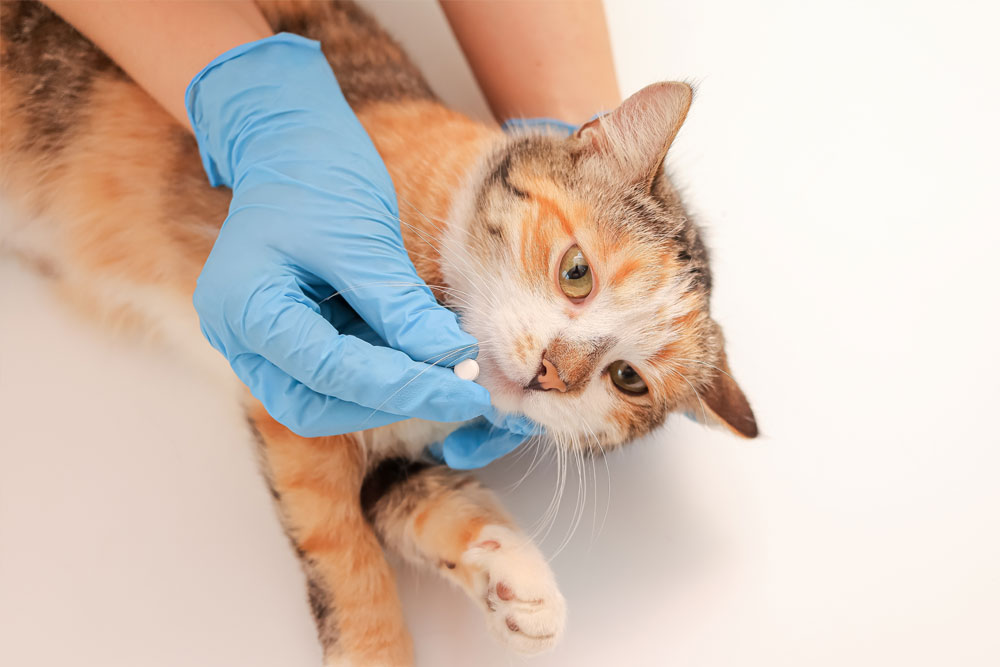
A deworming visit is calm and quick. Our team starts with a nose-to-tail physical exam, weighs your pet so the dose fits their size, runs a fecal test when one is due, and gives the right medication once we know what we’re treating. Deworming is usually paired with the regular vaccination visits.
Dewormers come in easygoing formats, from flavored chewables and tablets to liquids and topical products, so there’s usually an option that suits a wiggly puppy or a fussy kitten. Mild, short-lived side effects are normal: a bit of soft stool, a dip in appetite, or the sight of dead worms passing. Call us if your pet seems truly unwell, vomits repeatedly, or the diarrhea doesn’t settle within a day or two, and one of our veterinarians will walk you through the next step.
Deworming Questions Pet Families Ask Us Most
Can I Just Use an Over-the-Counter Dewormer From the Pet Store?
Over-the-counter dewormers usually target only one or two kinds of worms, and they’re dosed by broad weight ranges rather than your pet’s exact size. That leaves gaps, especially for a young animal who may be carrying more than one parasite, or a protozoan that no dewormer touches at all. A quick fecal test shows exactly what’s present, so the right medication goes in at the right dose.
My Puppy Passed Worms Right After the Dewormer. Did It Fail?
Seeing worms in the stool after a dose is a good sign, not a failure. It means the medication paralyzed or killed the adults and the body is clearing them out. Not seeing them doesn’t mean it didn’t work, though- many are too small to see with the naked eye or break up in the stool on the way out. Keep the follow-up appointments and the recheck fecal test, and we can confirm the infection is fully gone.
Do Indoor-Only Kittens Really Need Deworming?
Indoor kittens still need it, because most are already infected before they ever set foot inside, usually from the mother during pregnancy or nursing. Fleas can also wander indoors and bring tapeworms along. An indoor life does lower ongoing exposure, which we factor into how often testing happens later, but those early rounds still matter.
Building Your New Pet’s Parasite Plan Together
Three pieces keep parasites out of a growing pet: the early deworming rounds that clear each wave of worms, monthly year-round prevention that picks up from there, and regular fecal testing that confirms the plan is working. Skip any one and you leave a gap the next parasite is glad to use. You’re not sorting this out alone.
Our team at Countryside Veterinary Hospital maps the schedule to your individual puppy or kitten and folds it into wellness care as they grow. When you’re ready, book your puppy or kitten’s next visit with us here in Toney and we’ll get started.


Leave A Comment