


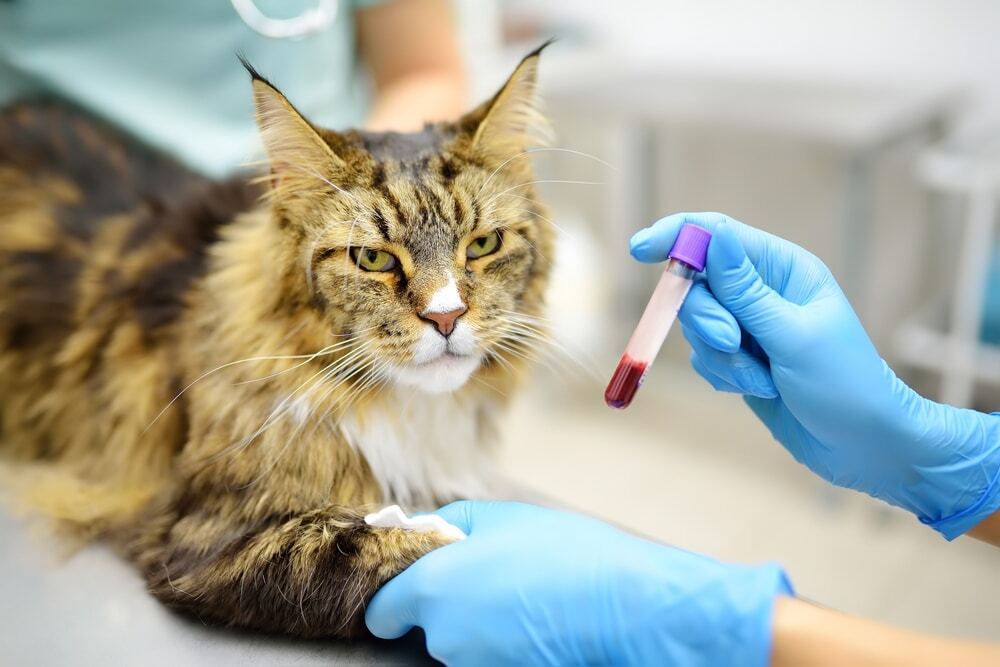
Immune-mediated blood diseases in dogs and cats are genuinely serious, and the outcome depends enormously on how quickly they are recognized and treated. These conditions fall into two main categories: immune-mediated hemolytic anemia (IMHA), where the immune system destroys its own red blood cells, and immune-mediated thrombocytopenia (ITP), where it attacks the platelets responsible for clotting. They do not always announce themselves with an obvious emergency at the start. More often, a pet seems progressively tired, less interested in eating, or just off for a day or two before the picture becomes clearer.
At Countryside Veterinary Hospital in Toney, we run in-house blood panels and offer abdominal and cardiac ultrasound, including ultrasound-guided sampling, so we can move quickly when a pet’s condition calls for it. Our advanced veterinary care capabilities are built around exactly this kind of thorough, same-visit diagnostic work. If your dog or cat has been sluggish, pale, or showing any signs of abnormal bleeding, please contact our team right away so we can take a thorough look.
Key Information About IMHA and ITP in Pets
- IMHA destroys red blood cells; ITP destroys platelets. Both can deteriorate within hours, and both warrant same-day evaluation.
- The earliest signs are subtle: unusual tiredness, faster resting breathing, paler-than-usual gums, or a wound that bleeds longer than it should.
- Workup should look for the trigger (tick-borne infection, cancer, toxin, certain medications), not just confirm the immune attack.
- Same-day diagnostics and treatment give pets the best chance at full recovery.
How Does the Immune System Turn on the Blood?
Immune-mediated diseases develop when the immune system tags the body’s own cells for destruction as if they were foreign invaders. In IMHA, the target is red blood cells. In ITP, it’s platelets. Either way, the body destroys what it needs faster than it can rebuild.
The clinically important question is whether the disease is primary or secondary. Primary IMHA and ITP means no underlying trigger is found, and treatment is aimed at suppressing the immune system directly. Secondary disease has a specific trigger (infection, cancer, toxin, or medication), and treating the immune piece without addressing the trigger usually leads to relapse. Sorting which one we’re dealing with shapes the workup and the prognosis.
What Does IMHA Look Like in Dogs and Cats?
Immune-mediated hemolytic anemia progressively starves organs of oxygen as red blood cells are destroyed faster than the bone marrow can rebuild them. Pets often look subtly off for days before the picture turns dramatic, then deteriorate quickly. Catching it early changes the trajectory.
Recognizing Early Signs of IMHA
The first signs are easy to write off:
- Unusual tiredness or reluctance to do normal activities
- Faster breathing at rest, even on the couch
- Pale, white, or yellow gums (lift the lip and check)
- Dark, orange, or brown urine
- Decreased appetite or unexplained weight loss
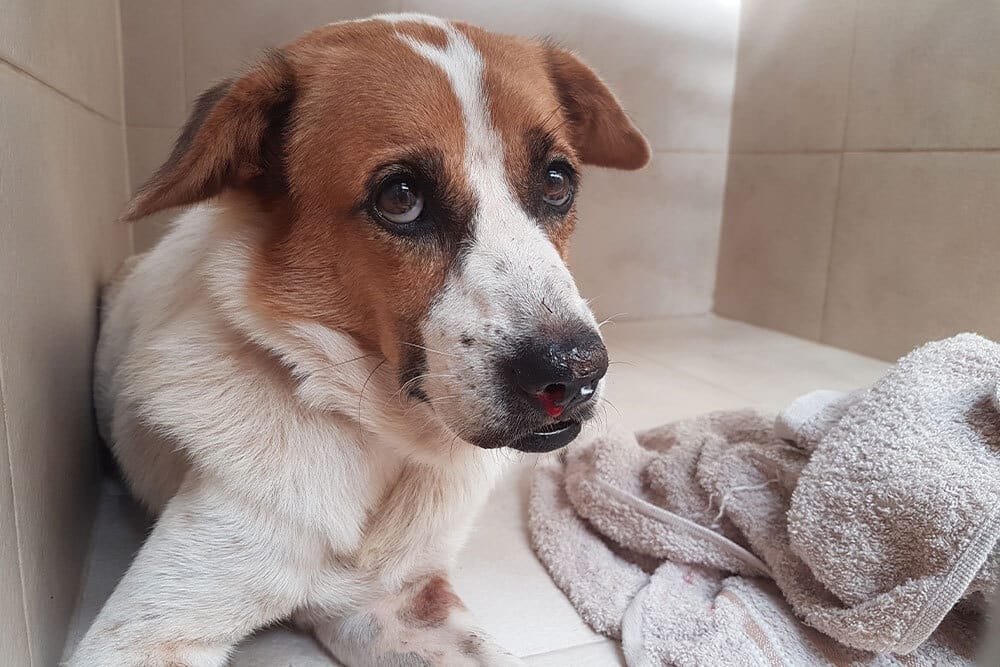
Pale or jaundiced gums (yellow from hemoglobin breakdown) are one of the clearest signs that this is more than a bad day. Knowing your pet’s normal gum color is a useful baseline.
Breed predisposition is well documented: Cocker Spaniels, Poodles, English Springer Spaniels, and several other breeds develop IMHA at higher rates. If you have a predisposed breed, baseline what normal looks like.
Secondary Causes of IMHA
When a trigger is found, we treat that alongside the immune piece:
- Tick-borne infections (covered in detail below, very relevant here in north Alabama)
- Bacterial infections including leptospirosis, common in our region
- Hemotropic mycoplasma in cats, which directly attacks red blood cells
- Cancer, particularly lymphoma and hemangiosarcoma
- Viral infections including the feline leukemia virus in cats
- Toxin exposure including zinc toxicosis from swallowed pennies or zinc hardware
- Drugs or envenomations including some antibiotics and snake bites, a real consideration in our part of Alabama; we have six different species of venomous snakes to worry about
Blood Clotting Complications in IMHA
IMHA has a dangerous paradox: while red blood cells are being destroyed, the clotting system simultaneously becomes hyperactive, forming abnormal clots where they shouldn’t form. Blood clotting complications are among the leading causes of death in IMHA, which is why hospitalization, anti-clotting medication, and close monitoring are usually part of treatment.
Signs of a possible clot needing immediate care:
- Sudden labored breathing at rest, especially with gums turning blue or gray
- Sudden weakness or paralysis in one or more limbs
- Sudden severe abdominal pain or distended abdomen
- Sudden loss of vision or other neurological signs
What Does ITP Look Like?
Immune-mediated thrombocytopenia is what happens when the immune system attacks platelets. Without enough platelets to clot, even minor injuries bleed dangerously, and pets can bleed internally from blood vessels that should heal on their own.
Recognizing Signs of ITP
The visible signs are mostly bleeding-related:
- Pinpoint bruises (petechiae) on the belly, gums, or whites of the eyes
- Larger bruises in places the pet wasn’t bumped
- Nosebleeds with no obvious cause
- Blood in the urine or stool
- A small wound that bleeds disproportionately long
- Pale gums from blood loss
What Triggers ITP
Common triggers are very similar to IMHA, and include tick-borne infections, heartworm disease, the distemper virus, leptospirosis, certain medications, and underlying cancer. A rare association exists between recent vaccination and ITP, but the risk is far smaller than the risk of the diseases vaccines prevent, and it’s not a reason to skip vaccinating.
What Is Evans Syndrome?
Concurrent immune-mediated conditions, or Evans syndrome, is when the immune system attacks both red blood cells and platelets at the same time. Treatment addresses both, monitoring is more intensive, and the prognosis is more guarded than either condition alone. Early diagnosis matters even more.
How Do Tick-Borne Diseases Raise the Risk?
Several tick-borne infections can trigger or mimic IMHA and ITP. In our part of Alabama, tick exposure is essentially year-round, which makes tick-borne disease testing a standard part of any blood-disorder workup here.
- Lyme disease can trigger secondary immune-mediated blood disease.
- Rocky Mountain spotted fever causes severe thrombocytopenia and vasculitis. It’s well established in the southeast.
- Ehrlichia and anaplasma directly damage platelets and can trigger immune disease. We see these regularly.
- Babesia directly infects and destroys red blood cells. Babesia gibsoni is more common in Pit Bull breeds and Greyhounds and can spread dog-to-dog through bite wounds.
How Is Immune-Mediated Blood Disease Diagnosed?
Diagnosis starts with the story and a physical exam (gum color, heart rate, respiratory rate, lymph node and spleen size). From there, our in-house diagnostics handle most first-tier tests during the same visit, so treatment can usually start the same day.
Typical first-tier tests:
- Complete blood count and blood smear: confirms anemia or low platelets and reveals telltale shapes (spherocytes are a hallmark of IMHA).
- Coombs test: detects antibodies attached to red blood cells.
- Reticulocyte count: tells us whether the bone marrow is responding.
- Chemistry panel and urinalysis: checks organ function and looks for dark, hemoglobin-rich urine.
- Tick-borne disease screening: same-visit screen plus a send-out confirmation panel.
- Imaging: chest X-rays and abdominal ultrasound when underlying cancer is on the differential.
How Are IMHA and ITP Treated?
Treatment has two parallel goals: stop the immune attack, and support the body while blood counts recover. Immune-mediated disease treatment is individualized and adjusted continuously based on response.
IMHA Treatment
- Immunosuppression: corticosteroids (usually prednisone) are first-line. Additional immunosuppressive drugs are added when response is incomplete.
- Anti-clotting medication: most IMHA dogs receive medication to reduce clot risk.
- Blood transfusions for severely anemic patients.
- Therapeutic plasma exchange or blood purification for severe or refractory cases at referral hospitals.
- Targeted antimicrobials when an infectious trigger is identified.
- Supportive care including fluids, anti-nausea medication, and nutritional support.
ITP Treatment
- Corticosteroids as first-line.
- Vincristine to push the bone marrow to release platelets faster.
- Intravenous immunoglobulin for critically low platelet counts.
- Splenectomy as a later-stage option for refractory cases.
- Treating the underlying trigger when one is identified.
Can Tick Prevention Lower the Risk?
Tick prevention is one of the most concrete ways to reduce the risk of secondary immune-mediated blood disease, and it matters more in our region than almost anywhere. Year-round prescription products are more reliable than over-the-counter options, and our pharmacy carries the right product for every pet in the home.
Which Warning Signs Need Same-Day Care?
Some signs of IMHA and ITP mean the situation has already turned urgent, and they should not be watched at home overnight. The table below covers the ones that warrant calling ahead and heading straight in.
| Warning sign | What it may signal | What to do |
| Pale, white, or yellow gums | Severe anemia from IMHA | Same-day evaluation |
| Bruising or pinpoint spots on the skin or gums | Low platelets from ITP | Same-day evaluation |
| Dark, orange, or blood-tinged urine | Red blood cell breakdown | Same-day evaluation |
| Labored breathing at rest | Severe anemia or a clot | Emergency, go now |
| Sudden weakness or collapse | Critical anemia or active bleeding | Emergency, go now |
| Nosebleeds or wounds that will not stop bleeding | Dangerously low platelets | Emergency, go now |
When in doubt, call us and head in. We offer emergency care during our regular hours; after hours, head straight to the nearest 24/7 ER.
Frequently Asked Questions About IMHA and ITP
How fast can IMHA become life-threatening?
IMHA can move from “off but eating” to “critical” in 24 to 48 hours. Some pets crash with no real warning; others have days of subtle signs only noticed in hindsight. If your pet’s gums are pale or yellow, breathing is faster at rest, or energy has dropped, treat it as same-day urgent.
Can my pet recover fully from IMHA or ITP?
Many do, but recovery is rarely short. Most pets need months of immunosuppressive medication with gradual tapering and regular monitoring. Some pets relapse, and a few cases don’t respond despite our best efforts. Early diagnosis, identifying any underlying trigger, and consistent follow-up improve the odds significantly.
Is IMHA or ITP contagious to other pets in my household?
The immune disease itself is not contagious. But some triggers (certain tick-borne infections, leptospirosis) are transmissible, and other pets in the same household share the exposure risk. We’ll talk through which triggers, if any, mean precautions for the rest of your household.
From Subtle Signs to a Solid Plan
A serious blood disease diagnosis is frightening. The honest message is that fast, accurate diagnosis gives most pets a real chance, and what makes the biggest difference is acting on the early signs instead of waiting them out. You don’t need to know what it is to call us. Describe what you’re seeing, and we’ll figure out the next step together.
If your pet is showing any of the signs covered here, book an appointment for same-day evaluation or reach out to our team to talk it through.



Leave A Comment