



Cancer in pets, much like in humans, is a serious health concern that can arise unexpectedly. As pet owners, understanding the signs, types, and treatment options available can significantly impact the well-being of our beloved animals. At Countryside Veterinary Hospital in Toney, Alabama, we are committed to providing comprehensive care and support through every step of diagnosis and treatment. This guide navigates the complexities of common pet cancers, emphasizing the importance of early detection and the advanced treatment options available at our facility.
The Importance of Early Detection in Common Pet Cancers
Recognizing the Signs of Cancer in Pets
Early detection is crucial for effectively managing cancer in pets. Common symptoms include unexplained weight loss, persistent sores, swelling, and lethargy. Sudden behavioral changes, such as increased aggression or withdrawal, may indicate pain or discomfort associated with cancer. Identifying these signs early can lead to more effective treatment and a better prognosis. For a detailed list of symptoms, explore this article on Signs of Cancer in Pets.
The Role of Regular Veterinary Check-ups
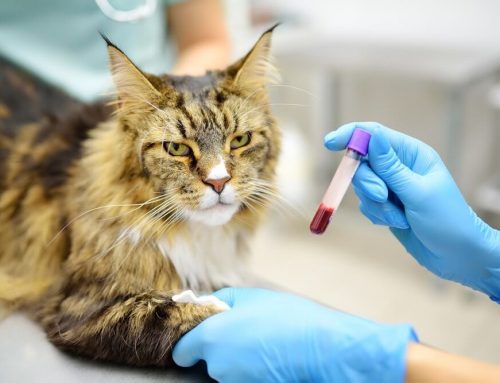
Regular veterinary check-ups are essential for early cancer detection. Annual visits allow for early intervention, significantly improving treatment outcomes. Veterinarians may conduct blood tests, physical examinations, and imaging to detect abnormalities before symptoms become severe. Early diagnosis prevents cancer from advancing to stages where treatment options become more limited. Schedule your pet’s next appointment at Countryside Veterinary Hospital to ensure their health and well-being.
Advances in Diagnostic Tools for Pet Cancer
Modern veterinary medicine offers advanced diagnostic tools such as X-rays, MRIs, and biopsies, which are crucial for accurate cancer detection. At Countryside Veterinary Hospital, our skilled team utilizes these technologies to ensure precise diagnoses. For example, ultrasounds help identify soft tissue abnormalities, while CT scans provide detailed images of internal organs to detect tumors.
Common Types of Cancers in Pets and Their Symptoms
Lymphoma in Dogs and Cats
Lymphoma is one of the most common cancers in both dogs and cats. It often presents as enlarged lymph nodes, decreased appetite, and lethargy. Treatment typically involves chemotherapy, which can extend a pet’s quality of life. If left untreated, lymphoma can lead to severe organ dysfunction and a compromised immune system.
Mast Cell Tumors in Dogs
Mast cell tumors are frequently seen in dogs and can appear as small lumps or skin lesions. These tumors release histamine and other chemicals that may cause gastric ulcers or, in severe cases, anaphylactic shock. Early surgical removal often leads to positive outcomes, minimizing the risk of metastasis.
Osteosarcoma (Bone Cancer) in Pets
Osteosarcoma is a common bone cancer in larger dog breeds but can affect any pet. Symptoms include swelling, pain at the affected site, and limping. If left untreated, this aggressive cancer can lead to fractures. Treatment usually involves surgery and chemotherapy to prevent metastasis, particularly to the lungs.
Treatment Options Available
Surgical Procedures
Surgery is a primary treatment option for many pet cancers. It involves removing tumors and surrounding tissue to prevent further spread. Early surgical intervention can improve survival rates, and many pets recover quickly, returning to their normal activities.
Chemotherapy and Radiation Therapy
Chemotherapy and radiation therapy help slow cancer progression and manage symptoms. Chemotherapy is particularly effective for systemic cancers like lymphoma, while radiation therapy is used for localized tumors. At Countryside Veterinary Hospital, we carefully manage treatment side effects, which may include mild gastrointestinal discomfort or temporary hair loss.
Supportive Care and Pain Management
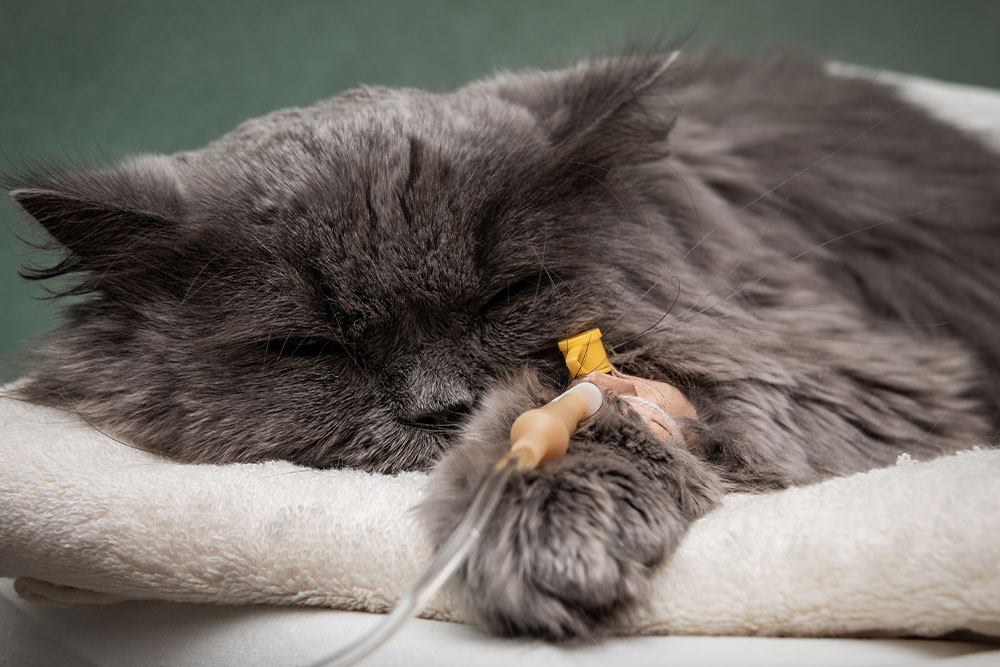
Ensuring comfort throughout treatment is a priority. We offer pain management, nutritional strategies, and environmental modifications to improve quality of life. Providing a stress-free home environment, soft bedding, and appropriate pain medications can significantly enhance your pet’s well-being.
The Journey of Treatment: What Pet Owners Can Expect
Pre-treatment Assessments and Consultations
Before beginning treatment, we conduct thorough assessments, including staging the cancer, evaluating potential metastasis, and discussing options with pet owners. Understanding the prognosis and available treatments helps families make informed decisions.
Monitoring and Adapting Treatment Plans
Our veterinary team closely monitors each pet’s progress, adjusting treatment plans as needed for optimal outcomes. Regular check-ups and imaging tests help track effectiveness and make necessary modifications in a timely manner.
Aftercare and Quality of Life Considerations
Maintaining a good quality of life is a priority during and after treatment. Our aftercare includes nutritional support, physical therapy, and routine follow-ups to monitor for recurrence. Ensuring your pet remains comfortable and happy is our commitment to their long-term well-being.
Additional Resources and Support for Pet Owners
External Educational Resources
For further reading, visit the Cancer in Pets – AVMA and Veterinary Cancer Society Pet Owner Resources for comprehensive information on pet cancers and treatment options.
Community and Online Support Networks
Engaging with community groups and online forums can provide valuable support and practical advice from other pet owners who have faced similar challenges. Support networks offer emotional backing and shared experiences that can help navigate the journey of pet cancer treatment.
Frequently Asked Questions (FAQs) About Pet Cancers
What are the first steps after a cancer diagnosis?
After a diagnosis, discuss options with your veterinarian, including cancer type, treatment choices, and prognosis. Contact Countryside Veterinary Hospital to begin planning your pet’s care.
How do I decide between treatment options?
Choosing a treatment involves considering the cancer type, stage, your pet’s overall health, and quality of life. Cost, potential side effects, and expected outcomes should also factor into your decision.
How can I finance my pet’s cancer treatment?
We provide financial guidance, including insurance options, payment plans, and assistance programs to help manage treatment costs effectively.
Understanding pet cancers and accessing the right resources can improve outcomes and ensure your pet receives the best possible care. At Countryside Veterinary Hospital, we are dedicated to guiding you through this process, offering expert medical care and compassionate support. Schedule regular health screenings and maintain a healthy lifestyle for your pet to reduce cancer risks and promote early detection.




Leave A Comment