


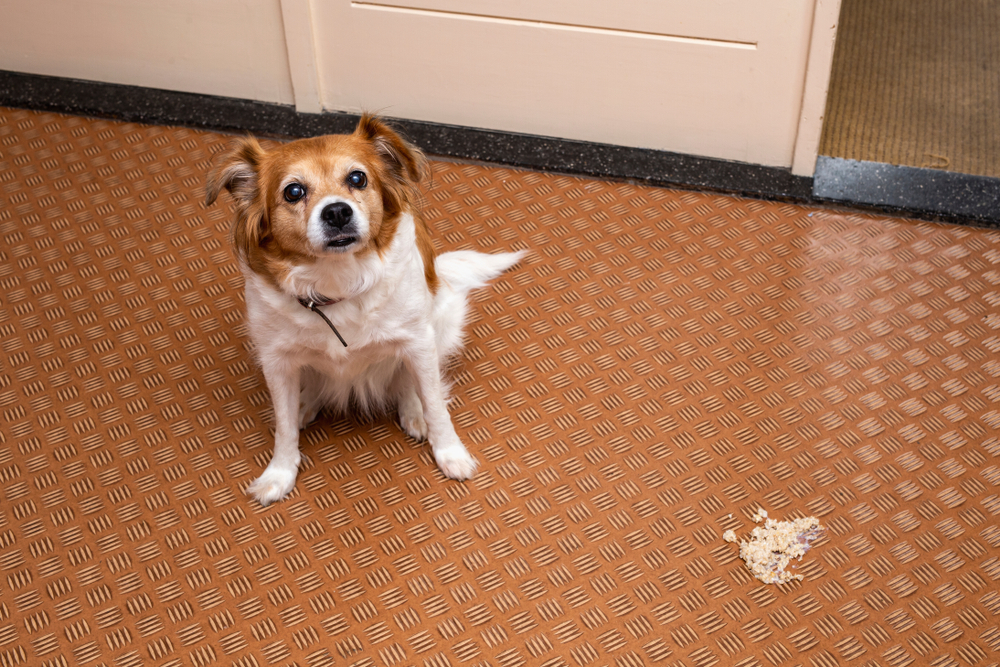
Throwing up stops being normal once it settles into a pattern instead of passing in a day. A single bout that resolves on its own is usually a stomach reacting to something it did not like, but vomiting that returns week after week is a different problem. Once the pattern stretches across a month or more, especially with weight loss, a shifting appetite, or intermittent loose stools, the cause is rarely something a bland diet alone will fix. That repeating GI trouble points to something deeper that needs to be worked up, not waited out.
Countryside Veterinary Hospital in Toney looks at total wellness on every chronic GI case, because the answer almost never comes from a single test or food. Our in-house lab and imaging let us start with bloodwork and abdominal X-rays the same day, then move into a structured food trial and ultrasound-guided sampling when the picture calls for it. We follow up after each visit so the workup keeps moving. If your dog or cat has been vomiting on and off for weeks, request an appointment and we will start working toward a real answer.
Key Points to Know About Pet Vomiting
- Occasional vomiting that resolves in a day is usually harmless, but vomiting that repeats over weeks, especially with weight loss or diarrhea, needs a real workup rather than another diet swap.
- What comes up and how often gives us useful clues before any test runs, so noting the timing and snapping a photo genuinely helps.
- Chronic vomiting has many possible drivers, from food and swallowed objects to kidney, liver, thyroid, and primary GI disease, which is why diagnosis is stepwise rather than a single test.
- When bloodwork, imaging, and a strict diet trial do not land on an answer, endoscopy or a GI biopsy lets us see the tissue itself and treat the actual problem instead of guessing.
Which Vomiting Signs Mean Skip the Wait and Call Now?
Some vomiting cannot wait for a scheduled visit. Call right away if your pet is vomiting blood or dark coffee-ground material, has a belly that is distended or painful, is retching without bringing anything up, cannot keep even water down for several hours, or has gone severely lethargic. In a very young or very old pet, vomiting paired with any other symptom deserves the same urgency.
If any of these show up, call us right away. We offer ER and urgent care during our open hours, Monday through Friday and Saturday morning. If something happens after we have closed for the night, contact the nearest veterinary emergency hospital rather than waiting for us to open.
What Causes Chronic Vomiting in Dogs and Cats?
Chronic vomiting in dogs and cats usually traces to one of three categories: food and dietary indiscretion, systemic disease in organs like the kidneys, liver, thyroid, or pancreas, or a primary disorder of the GI tract itself, such as inflammatory bowel disease. Accurate diagnosis is what points treatment in the right direction.
Chronic vomiting is rarely a single-system problem, which is why it can be so maddening to sort out. The workup narrows things down one step at a time, so a normal first test is progress, not a dead end. The veterinarians working your pet’s case do not give up when an answer is slow to appear. Below are the big categories.
Food, Diet, and Dietary Indiscretion
Food is one of the most common contributors to chronic vomiting and one of the last things families think to question. There is a real difference between a food allergy, where the immune system reacts to a specific protein, and a food intolerance, where the gut simply struggles to digest an ingredient. Both can drive vomiting, and switching foods or rotating treats makes it nearly impossible to pin down the culprit.
Dietary indiscretion is the polite term for raiding the trash or swallowing an object never meant to be food. A swallowed sock or small toy that never fully blocks the gut can create a partial GI obstruction, which produces intermittent vomiting rather than a sudden crisis. When a foreign object is confirmed, surgical removal may be the fix.
Systemic and Organ Disease
Vomiting is not always a stomach problem; pancreatitis, chronic kidney disease, and thyroid trouble all set off nausea as a downstream effect of something happening elsewhere. Treating the vomiting without finding the underlying condition will not produce lasting improvement.
| Systemic cause | What it is | How it can drive vomiting |
|---|---|---|
| Chronic kidney disease | Gradual decline in kidney filtering | Waste products build up and trigger nausea |
| Liver disease and gall bladder disease | Impaired liver or biliary function | Toxins and bile handling problems upset the gut |
| Hyperthyroidism | Overactive thyroid, common in older cats | Speeds metabolism and irritates the GI tract |
| Pancreatitis | Inflammation of the pancreas | Causes nausea, pain, and vomiting |
| Addison’s disease | Underactive adrenal glands, most often in dogs | Produces waxing and waning vomiting and appetite loss that mimic primary GI disease |
Primary GI Tract Disorders
Once systemic causes are off the table, the focus shifts to the gut itself, where an accurate diagnosis matters most because the wrong assumption sends treatment down the wrong path. The primary GI conditions to sort through:
- Inflammatory bowel disease (IBD): Chronic inflammation of the GI lining, and one of the more common causes.
- Lymphoma: A cancer of the GI tract that can mimic IBD closely, especially in cats.
- Gastric ulcers: Erosions in the stomach lining that can cause blood in the vomit.
- Bilious vomiting syndrome: Bile irritating an empty stomach, often producing morning vomiting.
- Pyloric stenosis: A narrowed outlet that slows food from leaving the stomach.
- Gastric cancer: A less common but serious cause that a full workup helps rule in or out.
Could the Culprit Be a Rushed Meal or a Stressed-Out Pet?
Two of the most overlooked causes of chronic vomiting have nothing to do with disease, yet they can look exactly like a medical problem. Speed at the food bowl and stress in the home both trigger vomiting that fools families into chasing tests that come back clean.
The Pet Who Eats Too Fast
Some pets treat every meal like a race. Food goes down in seconds and comes right back up, nearly undigested, in the pattern many families call “scarf and barf.” It shows up most in multi-pet households where competition is real. The fix is structural rather than medical: slow feeders, separate feeding spots, and smaller portions offered more often.
When Stress and Anxiety Upset the Gut
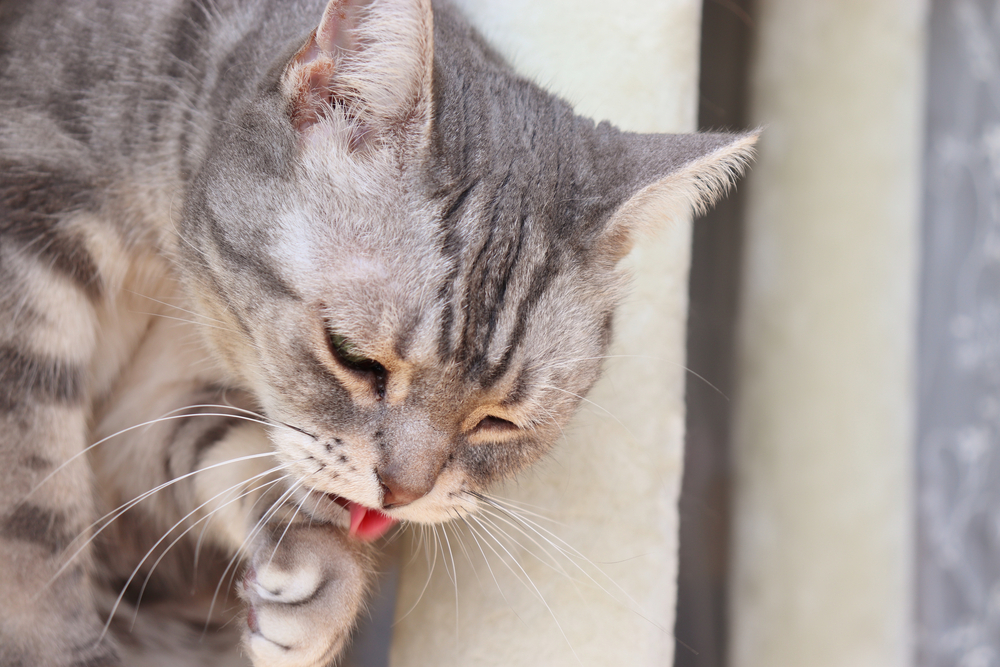
The gut and the nervous system are closely wired, and chronic stress is an underappreciated driver of GI symptoms, cats especially. Routine changes, a new baby, or ongoing household tension can turn into stress that looks exactly like medically caused vomiting, often paired with hiding or overgrooming. Because stress vomiting is indistinguishable from the disease-driven kind on appearance alone, we look at the whole picture, including behavioral shifts, before landing on it as the cause.
How Do You Read What Your Pet’s Vomiting Is Telling You?
Vomiting speaks in patterns, and learning to read them puts you and your veterinary team a step ahead before a single test runs. The look of what comes up, how often, and how soon after a meal all narrow the field.
What Can the Appearance and Frequency of Vomiting Tell You?
Before you scrub the carpet, take a quick photo and jot down the timing, how frequently it happens, and how long after eating. Yellow bile points somewhere different than undigested kibble or coffee-ground material, so what the vomit looks like narrows the list before any testing. A quick field guide:
- Yellow or green bile: Often shows up on an empty stomach, sometimes first thing in the morning, and can point to too long a stretch between meals.
- Undigested food: May be true vomiting soon after eating, or regurgitation, which is a different mechanism entirely.
- Dark or coffee-ground material: Suggests digested blood in the stomach and warrants a prompt look.
- Bright red blood: Fresh blood means bleeding closer to the mouth or upper GI tract and should be evaluated quickly.
- Foamy white liquid: Usually mucus and stomach fluid, common with an irritated or empty gut.
Undigested food that slides back out passively, with no heaving, often signals regurgitation rather than true vomiting, which points at the esophagus instead of the stomach. That distinction changes the entire direction of a workup, so watch whether your pet actively retches or the food simply reappears.
When Does a Vomiting Pet Need a Veterinary Evaluation?
The line between watchful waiting and picking up the phone comes down to pattern and company. One isolated episode in an otherwise bright, eating, playing pet can simply be monitored. Vomiting that keeps returning over weeks, or that arrives alongside other changes, has crossed into workup territory. Signs worth an appointment include:
- Repeated vomiting over multiple weeks, even if each episode seems minor.
- Frequent hairballs in cats, which are less normal than most families assume and worth an exam.
- Unexplained weight loss even with a normal appetite.
- Increased thirst or urination, low energy, or diarrhea showing up at the same time.
Age raises the stakes. In a senior dog or cat, the organ changes that come with age often announce themselves as chronic vomiting first, so a new pattern deserves a closer look sooner rather than later.
How Does the Diagnostic Workup for Chronic Vomiting Work?
The workup begins where good medicine always starts: a thorough history and hands-on physical exam, then baseline diagnostics that map the body’s function from several angles. Each test answers a different question, and together they tell us whether the problem lives in the gut, an organ, or somewhere else. In-house bloodwork and imaging let us start same-day rather than waiting on outside results.
- Bloodwork: Screens organ function, blood cell counts, and clues to inflammation or endocrine disease.
- Urinalysis: Shows how well the kidneys are concentrating and filtering.
- Fecal testing: Checks for parasites and other intestinal culprits that are easy to miss.
- X-ray: Looks at the shape and gas pattern of the GI tract, sometimes with barium to catch a partial obstruction.
- Ultrasound: Gives a soft-tissue view of the gut wall, organs, and lymph nodes that X-ray cannot show.
There is a quiet advantage to knowing your pet when they are well. Wellness baselines taken during routine visits give us numbers to compare against, so a shift in a value becomes meaningful instead of a standalone mystery.
The Diet Trial: A Diagnostic Test You Feed From a Bowl
When baseline testing comes back clean, a structured diet trial on a novel or hydrolyzed protein is the next move, and it only works with zero treats, table scraps, or flavored medications slipping through. A diet trial is a diagnostic test, not just a food swap, and its accuracy depends entirely on compliance. There are two main approaches:
- Novel protein diet: A protein source your pet has never eaten before, like rabbit or venison, so the immune system has no prior reaction.
- Hydrolyzed protein diet: A protein broken into fragments too small for the body’s defenses to recognize and react to.
The hard part is discipline. One flavored pill, a shared bite of a sibling pet’s food, or a stolen table scrap can invalidate weeks of effort. That is also why over-the-counter limited-ingredient foods are not appropriate for a true diagnostic trial: manufacturing cross-contamination means trace amounts of other proteins can sneak in, enough to muddy the results.
When the Answer Only Shows Up in the Tissue Itself
When initial testing and a strict diet trial still have not named the cause, the next step is examining the GI tissue directly.
Endoscopy: A Minimally Invasive Look Inside
Endoscopy uses a flexible camera passed under anesthesia to view the upper GI tract directly and collect small tissue samples along the way. Because nothing is cut open, endoscopy is minimally invasive, and most pets recover quickly. It fits well when earlier testing has not found the answer or when the GI lining itself needs a direct look. Endoscopic procedures are coordinated through referral, and we handle that hand-off so nothing stalls.
Ultrasound-Guided Biopsy and Exploratory Surgery
Using ultrasound, we can find specific areas of the GI tract that look suspicious and take a small sample of tissue using a needle. Dr. Conley has obtained extra training in ultrasound techniques, and that expertise allows us to provide this service without the need for referral.
Exploratory surgery opens the abdomen so the organs can be examined directly and full-thickness biopsies taken from several spots at once. That depth matters, because a GI biopsy reaching through the whole wall can reveal disease that surface or needle samples miss entirely. Surgery makes sense when imaging turns up an abnormality, when full-thickness tissue is needed, or when a blockage or mass needs direct removal. Our team provides surgery and ultrasound-guided biopsy with those goals in mind.
What Biopsy Results Actually Reveal
Tissue is where the answer finally becomes concrete. Telling IBD apart from intestinal lymphoma, other GI cancers, infections, and various inflammatory patterns comes down to histopathology, the microscopic study of the biopsy sample. This distinction is not academic: IBD and lymphoma can look nearly identical from the outside yet call for completely different treatment, so an accurate tissue diagnosis lets us aim therapy at the real problem instead of a best guess.
Once the Cause Has a Name, What Does Treatment Look Like?
Treatment follows the diagnosis and usually runs down one of three paths: hold the course on a food that worked, calm inflammation with medication and diet changes, or stabilize an organ that is driving the trouble. In every case, we build the best plan for your pet from those findings and a conversation with you.
Food-responsive vomiting is managed by staying with the food that worked and keeping the whole household consistent about treats. IBD usually responds to anti-inflammatory or immunosuppressive medications paired with dietary adjustments, refined over time to what keeps symptoms in check. And when the vomiting traces back to an organ like the kidneys, liver, thyroid, or pancreas, we focus on stabilizing that condition, which typically calms the gut once the real driver is under control.
Chronic Vomiting Questions Pet Families Ask Us Most
Is it normal for my cat to vomit hairballs regularly?
An occasional hairball is normal, but regular ones are not the harmless quirk they are often assumed to be. As a rough guide, a cat bringing up hairballs more than about once a month has crossed into territory worth an exam.
Frequent hairballs can signal overgrooming, an underlying GI problem, or a motility issue rather than just long fur. If your cat is hacking up hairballs often, it is worth mentioning at the next visit.
My dog vomits yellow bile in the morning. Should I worry?
Morning bile vomiting on an empty stomach is a recognized pattern, sometimes called bilious vomiting syndrome, where bile irritates the lining after too long without food. It is often manageable, and a small bedtime snack helps in many cases. That said, persistent vomiting of any kind deserves a look, since morning bile can also overlap with other GI or systemic issues. If it keeps happening, let us evaluate it rather than assuming it is nothing.
How long does it take to figure out the cause of chronic vomiting?
The timeline varies from case to case. Some cases resolve with the first round of bloodwork and imaging, while others need a diet trial that runs several weeks, or advanced diagnostics like endoscopy or biopsy before the picture clears. The stepwise approach can feel slow, but each step rules something out and narrows the field. We follow up between visits so the process keeps moving, and we will not give up until we have a real answer.
Let’s Trade Guesswork for a Real Diagnosis
Managing a pet who vomits on and off for weeks, without knowing why, is genuinely exhausting and worrying. You clean up one more mess, wonder if today is the day to call, and second-guess the last food you tried. A methodical, stepwise approach really does work, even when the first few tests come back normal, because each step brings the answer closer.
We are committed to seeing chronic GI cases through, from same-day bloodwork to a coordinated biopsy when that is what it takes. If your dog or cat has been vomiting for weeks, request a visit and we will start the workup. Have questions first? Reach out to our team and we will point you toward the right next step.


Leave A Comment