


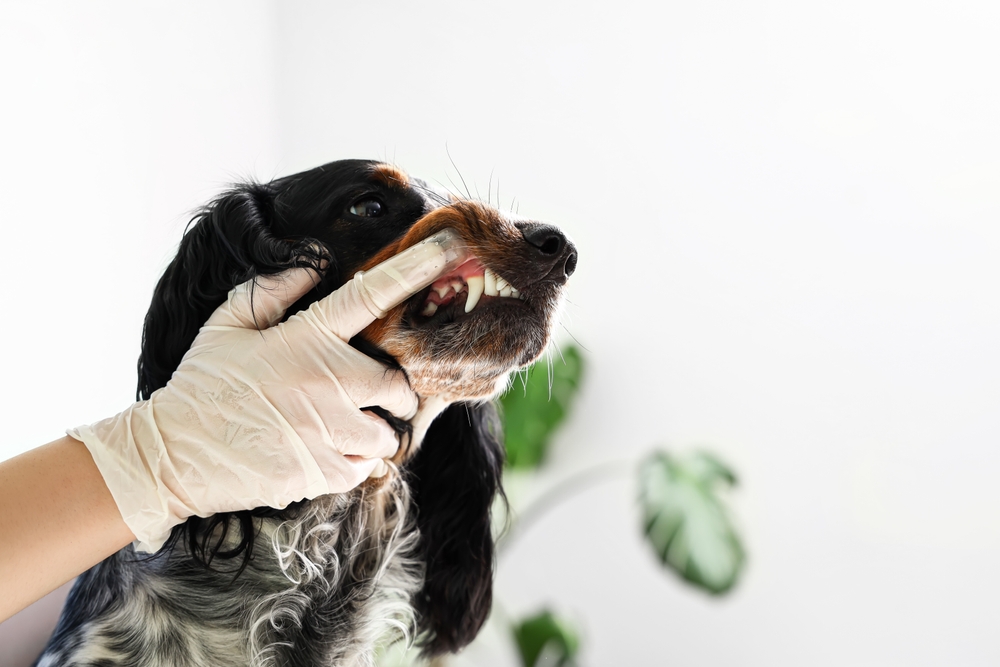
Essential Dental Care for Senior Pets in Toney, Alabama
Dental problems develop quietly, yet they are the most common chronic condition seen in dogs and cats past middle age. A faint mouth odor or slower chewing pace might seem like a normal sign of getting older, but these subtle changes often point to infection or pain. At Countryside Veterinary Hospital in Toney, Alabama, we practice exceptional, relationship-based medicine to keep senior pets eating comfortably, playing happily, and living healthier, longer lives.
This guide explains why dental care is critical for aging pets, highlights problems you can spot at home, and outlines the professional and preventive strategies that protect long-term health.
Why Senior Dental Care Matters
Oral health influences far more than a pet’s smile. Advanced gum disease sparks chronic pain and can reduce appetite, leading to weight loss and fatigue. Bacteria that thrive around inflamed gums slip into the bloodstream and travel to the heart, kidneys, and liver, where they trigger inflammation and diminish organ function. Regular dental care removes this bacterial source, lowers systemic inflammation, and supports overall vitality.
Waiting until a pet is very old for their first cleaning usually results in a longer anesthetic procedure, multiple extractions, and a tougher recovery. By committing to routine cleanings early, we shorten anesthesia time, limit tooth loss, and stop oral bacteria from damaging vital organs long before problems become severe.
Common Dental Problems in Older Dogs and Cats
Periodontal Disease
Plaque that collects along the gumline quickly mineralizes into tartar. As tartar wedges beneath the gums, it destroys the tissue and bone that hold teeth in place. Gum recession, loose teeth, and jawbone loss follow. Timely professional cleanings paired with effective home care interrupt this cycle and preserve chewing comfort.
Tooth Fractures and Oral Masses
Chewing on hard items- or just a lifetime of normal wear- can fracture teeth and expose the sensitive pulp. Prompt treatment for fractured teeth prevents infection and eases pain. Senior pets also face a higher risk of oral tumors. Evaluating any lump early is essential, because oral tumors respond best to removal before they invade deeper tissue.
How Dental Disease Affects the Whole Body and Behavior
Chronic infection in the mouth releases bacteria and inflammatory chemicals into circulation every time an affected tooth bleeds. Over months or years, this low-grade assault contributes to endocarditis in the heart, nephritis in the kidneys, and hepatic inflammation. Studies show that pets with severe periodontal disease have measurably higher levels of systemic inflammatory markers than those with healthy gums.
Painful teeth also change daily behavior. Cats may groom less, leaving dull or matted fur, and many switch from crunchy food to softer diets that lack complete nutrition. Dogs often abandon chew toys, shorten play sessions, or shy away from head pats because every mouth movement hurts. Some become irritable or withdrawn. By addressing dental disease before it reaches this stage, we prevent organ damage, restore normal eating habits, and give pets the confidence to play and socialize again.
Preventive Home Dental Care
Effective Daily Brushing
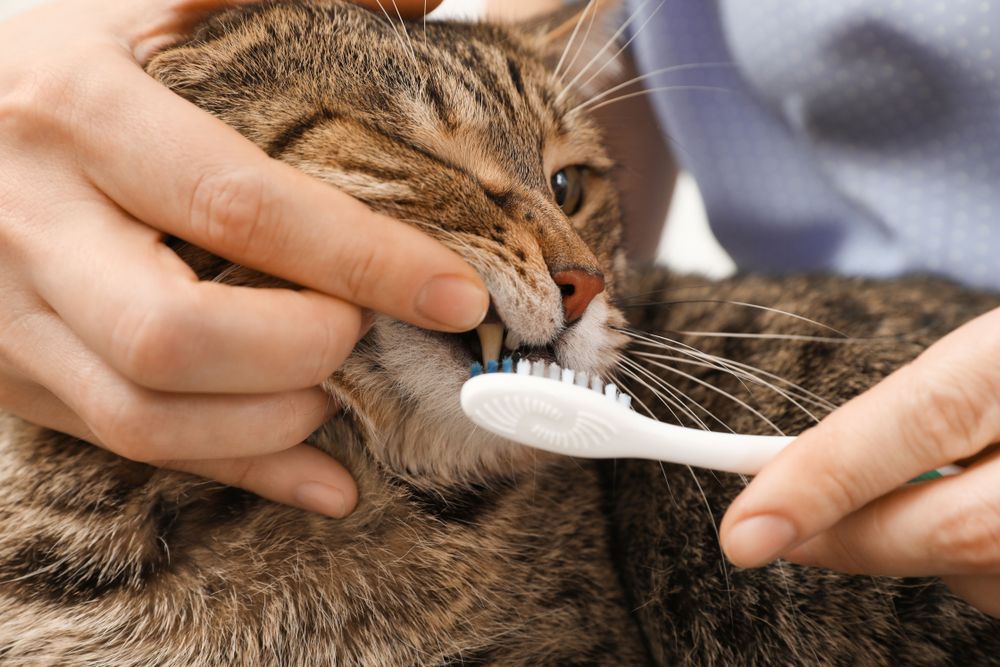
Daily brushing remains the gold standard for plaque control. Use a pet-specific toothbrush and veterinarian-approved toothpaste, angling the bristles toward the gumline. Start with just a few teeth, reward generously, and build up to a full mouth over time.
Safe Chew Alternatives
Chew toys can assist with plaque removal, but not all products are senior-friendly. Review the potential dangers of popular dog chews and select softer items sized to your pet’s jaw strength. Always supervise to prevent accidental ingestion or tooth damage.
VOHC-Approved Dental Products
The Veterinary Oral Health Council lists diets, chews, and water additives proven to reduce plaque. Checking the VOHC list for cats and dogs ensures you choose products backed by clinical data.
Items to Avoid
Extremely hard bones, antlers, and rigid nylon toys can crack aging teeth and even cause gastrointestinal injury if swallowed. When in doubt, press your thumbnail into the toy; if it barely dents, it is probably too hard for senior teeth.
Professional Dental Services at Countryside Veterinary Hospital
Comprehensive Examinations Under Anesthesia
A full dental assessment requires sedation so each tooth and gum pocket can be inspected thoroughly. Our team follows AAHA anesthesia and dental cleaning guidelines with individualized drug choices, continuous monitoring, and attentive recovery care.
Advanced Dental Radiography
Dental X-rays uncover problems hidden below the gumline- root abscesses, bone loss, tooth resorption- that visual exams miss. Understanding the importance of dental X-rays for pets allows us to treat issues early and avoid unnecessary extractions.
Professional Cleaning, Scaling, and Polishing
Ultrasonic scalers remove tartar above and below the gumline, and polishing smooths enamel so plaque takes longer to reattach. If a tooth is beyond saving, extraction or restorative work is completed during the same anesthetic event to minimize overall risk. Explore our full range of veterinary dental care services to see how we tailor each plan to your pet’s needs.
Pain Management and Recovery
Senior pets benefit from multimodal pain control. Local nerve blocks, non-steroidal anti-inflammatories, and, when appropriate, short courses of antibiotics keep pets comfortable and speed healing. You receive precise home-care instructions- soft food recommendations, activity guidelines, and medication schedules- to ensure a smooth recovery.
Recognizing Warning Signs of Dental Disease
Older pets often hide oral discomfort, but these changes deserve prompt evaluation:
- Persistent mouth odor that lingers despite brushing
- Reluctance to chew or dropping food while eating
- Red, swollen, or bleeding gums
- Excessive drooling or pawing at the mouth
- Visible tartar or discolored teeth
Scheduling an exam when the first sign appears helps prevent bigger problems later.
Building a Lifelong Dental Health Plan
Avoiding serious dental disease is a team effort:
- Biannual cleanings and exams for senior pets
- Daily brushing or VOHC-approved products to control plaque at home
- Safe chew toys matched to jaw strength
- Immediate veterinary assessment if any sign of discomfort arises
Our staff will tailor the schedule to your pet’s medical history, temperament, and lifestyle. Our clinic’s feline-friendly approach keeps cat dental visits low-stress and effective.
Schedule Your Senior Pet’s Dental Visit
A comfortable mouth fuels a vigorous, pain-free life. To arrange a comprehensive dental evaluation and professional cleaning for your senior pet, call (256) 859-2221, visit our contact page, or book an appointment online. Countryside Veterinary Hospital is here to preserve bright smiles and healthy bodies for the pets who brighten your days- no matter their age.


Leave A Comment