



Emergency Preparedness for Pets: Planning Ahead for Safety
Natural disasters, accidents, or sudden illness can happen anytime. Having a pet emergency plan- complete with first aid supplies, medical records, and a safe evacuation route- helps ensure your companion’s safety during any crisis. Preparation saves lives.
Imagine a tornado warning flashing across your phone at 3 a.m. You have minutes to take shelter. Do you know where your cat’s carrier is? Can you find your dog’s medical records? Is your pet’s microchip information current?
Most pet owners only think about these questions when it’s already too late. A few hours of planning today can make all the difference when crisis strikes. At Countryside Veterinary Hospital, we believe uncommonly exceptional veterinary medicine means protecting pets beyond the exam room. Our comprehensive wellness care includes prevention and planning, so you’re ready for the unexpected.
Simple Steps That Prevent Pet Emergencies
Many pet emergencies are preventable with proactive home management and regular checkups.
Start with a home safety walk-through. Look for hazards like exposed cords that puppies might chew, open trash bins, or plants toxic to cats such as lilies. Secure medications and cleaning products in closed cabinets. Even hair ties and children’s toys can cause intestinal obstructions if swallowed.
Learning to conduct basic health checks at home is equally important. Weekly checks of your pet’s eyes, ears, teeth, and skin can reveal infections, lumps, or behavioral changes before they escalate. Routine veterinary wellness exams form the foundation of prevention. These visits aren’t just checkups- they’re your pet’s first line of defense against emergencies.
How Wellness Exams Reduce Emergency Risk
The Power of Preventive Veterinary Care
Emergency preparedness starts before an emergency ever happens. Regular exams allow our veterinarians to establish baseline health values and spot subtle changes early. During comprehensive visits, we assess cardiovascular and respiratory health, check for hidden organ disease, and perform diagnostic testing. Early detection of kidney disease, heart problems, or diabetes gives you time to act before these conditions turn into crises.
Our advanced diagnostics– including in-house lab testing, ultrasound, and imaging- provide instant insights. Detecting small abnormalities early can prevent major emergencies later.
Even dental care plays a role. Bacteria from untreated dental disease can eat away bone or spread to vital organs, causing jaw fractures or sepsis. Regular cleanings and oral exams prevent these complications.
Because we build long-term relationships with our clients, our team already knows your pet’s unique health history if an emergency arises. That familiarity speeds diagnosis and treatment when every minute counts.
Building Your Pet’s Emergency Plan
Essential Identification and Records
When disaster hits, organized medical information can save your pet’s life. Store vaccination records, prescriptions, bloodwork results, and your veterinarian’s contact details in a waterproof folder. Include clear photos of your pet from multiple angles- they’re invaluable if your pet becomes lost. Microchipping provides permanent identification, but it’s only effective if the registration is up to date. Review your contact info yearly, and keep ID tags with an alternate emergency contact. The Ready.gov pet emergency checklist outlines the essentials. Print it and store it with your supplies.
First Aid Fundamentals Every Pet Owner Should Know
Taking a pet first aid class transforms panic into confident action. You’ll learn to assess injuries, control bleeding, and recognize which situations require immediate veterinary care.
Knowing CPR for dogs and cats can also save lives. Proper compression and breathing techniques sustain your pet until you reach veterinary care.
Your emergency kit should include:
- Nonstick gauze pads and cohesive wrap
- Antiseptic wipes and antibiotic ointment
- Digital thermometer and petroleum jelly
- Disposable gloves and tweezers
- Hydrogen peroxide (for vomiting only under veterinary guidance)
- Styptic powder for nail bleeding
- Saline solution for eye or wound irrigation
- Emergency blanket and cold packs
Keep these items in a portable, clearly labeled container. Check expiration dates twice a year and replace as needed.
Recognizing When Your Pet Needs Immediate Help
Certain symptoms always warrant urgent care, no matter the time or day. Emergency warning signs include:
- Difficulty breathing or blue-tinged gums
- Sudden collapse or inability to stand
- Seizures lasting more than two minutes
- Uncontrolled bleeding
- Distended or painful abdomen
- Persistent vomiting or diarrhea with blood
- Inability to urinate or defecate
- Suspected toxin ingestion or trauma
Pets instinctively hide pain, so subtle pain signs– like posture changes, reluctance to move, or excessive grooming- deserve attention too.
If you’re unsure whether to come in, call us. We’d rather reassure you than have you wait too long.
Medical Emergencies Every Pet Owner Should Know
When sudden illness or injury strikes, quick action can make all the difference. Recognizing the signs of common emergencies helps you stay calm, respond appropriately, and get your pet the urgent care they need.
Bite wounds
Even small punctures from another animal’s teeth can drive bacteria deep beneath the skin, leading to abscesses or serious infection. Because these wounds often seal quickly, they can trap bacteria inside- so immediate cleaning and veterinary care are vital.
Broken bones
Falls, car accidents, or rough play can cause fractures that result in pain, swelling, and limping. Keep your pet as still as possible, avoid manipulating the injured limb, and seek veterinary attention to prevent further tissue or nerve damage.
Eye emergencies
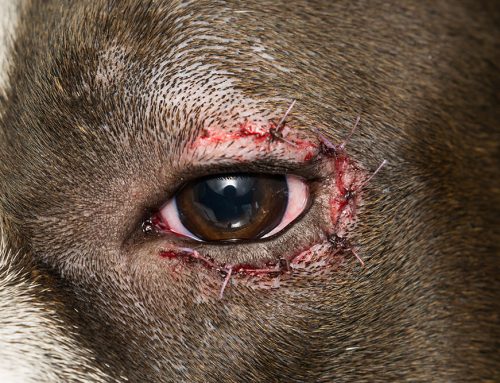
Squinting, redness, or cloudiness may indicate a serious eye problem. Because the cornea can deteriorate quickly after injury, prompt treatment can mean the difference between recovery and permanent vision loss.
Foreign bodies
When pets swallow toys, bones, or other indigestible items, the object can block or tear the intestines. This leads to pain, vomiting, and loss of appetite- and in severe cases, infection and sepsis. Emergency surgery is often required to save the pet’s life.
Urethral obstruction in cats
Male cats are especially prone to urinary blockages that prevent them from urinating. Left untreated, toxins rapidly build up in the bloodstream, leading to kidney failure and death. Emergency catheterization and fluid therapy are life-saving.
Snake bites
Snake bites can cause rapid swelling, bleeding, and severe pain. Keep your pet calm, restrict movement, and get to a veterinary hospital immediately- especially if the snake may be venomous.
Bloat (GDV)
Large, deep-chested breeds are prone to gastric dilatation-volvulus, where the stomach fills with gas and twists. Symptoms like retching without producing vomit, a swollen abdomen, or restlessness are red flags that require immediate emergency surgery.
Intervertebral disc disease
Sudden back pain, trembling, or difficulty walking can signal a slipped or ruptured disc pressing on the spinal cord. Prompt veterinary assessment improves recovery chances and can prevent permanent paralysis.
Respiratory distress
Heavy panting, blue or pale gums, or open-mouth breathing are all signs of respiratory distress. This can stem from pneumonia, heart failure, or airway obstruction- and always requires emergency care.
Electrocution
Chewing electrical cords can cause burns, heart rhythm disturbances, or lung injury. Always turn off the power before touching your pet, then seek immediate veterinary evaluation- even if they seem fine afterward.
Poisoning
If you suspect your pet has ingested a toxin, contact ASPCA Pet Poison Control and bring any packaging or plant material with you to the vet. Quick identification of the substance helps your veterinarian provide targeted, life-saving treatment.
Be Prepared Before an Emergency Happens
Medical emergencies are unpredictable, but preparation saves lives. By recognizing danger early and acting fast, you can protect your pet in those critical first moments- whether it’s a sudden illness at home or an unexpected injury on your next adventure together.
Safe Emergency Transport for Injured Pets
Moving an injured animal requires patience and care. Speak softly and approach slowly- even gentle pets may bite when in pain. Use a muzzle, e-collar, or towel for safety, but never muzzle a pet that’s vomiting or struggling to breathe.
Support the entire body during lifting. For suspected spinal injuries or limb fractures, use a firm surface like a board for stability. Smaller pets can travel in carriers lined with towels.
Our feline patients receive care in cat-only waiting and exam rooms, reducing stress and ensuring a calm experience even in emergencies.
Financial Planning for Veterinary Emergencies
Unexpected care can be costly. A dedicated savings fund for veterinary emergencies and pet insurance can ease financial stress. Policies differ, so compare options for coverage and reimbursement rates.
Many plans include emergency treatment, hospitalization, and surgery. Knowing your coverage ahead of time helps you focus on your pet’s recovery when every second counts.
Our team is always transparent about costs and options so you can make informed decisions about your pet’s care.
Are You Ready For Emergencies?
Emergency preparedness isn’t about fear- it’s about confidence. Assembling supplies, learning first aid, and maintaining regular wellness care gives you peace of mind that your pet is protected.
Families who prepare in advance respond calmly when disaster strikes. They know their pet’s health, have supplies ready, and trust their veterinary team.
At Countryside Veterinary Hospital, we’re your partners in that preparation. From comprehensive wellness exams to advanced diagnostics and emergency guidance, we’re committed to care that safeguards your pet’s future.
Contact us today to schedule your pet’s wellness visit and create a personalized emergency plan. Because when it comes to the pets you love, preparation truly makes all the difference.




Leave A Comment