


Snore or Symptom? Understanding Your Pet’s Breathing Sounds
If you’ve ever been jolted awake by your dog hacking or noticed your cat wheezing during a nap, you’ve probably wondered: is this normal or something serious? Pets make all kinds of respiratory sounds—some harmless, some signaling an underlying health concern. At Countryside Veterinary Hospital, we help pet owners recognize the difference and take action when needed.
Let’s break down what these sounds mean, what causes them, and how we can work together to keep your pet breathing comfortably.
Why Pets Make Strange Breathing Noises
From coughing and sneezing to wheezing and snoring, respiratory sounds are often your pet’s way of telling you something’s off. Understanding the possible causes can help you decide when to monitor and when to schedule a visit.
Common Symptoms You Might Hear:
- Coughing: Can range from a dry bark to a deep, wet hack.
- Sneezing: Sometimes just dust. Sometimes something more.
- Wheezing: High-pitched, whistle-like noises, often during exhalation.
- Snoring: Especially common in short-nosed breeds.
- Reverse sneezing: A rapid inhalation that sounds like gasping or honking.
Some causes are mild or self-limiting. Others, like infections or heart disease, require immediate care.
Causes of Respiratory Sounds: Grouped by Condition
Instead of grouping by sound, let’s organize by underlying cause. This helps make sense of what could be going on behind those strange noises.
1. Infectious Diseases
- Kennel Cough: One of the most common contagious respiratory infections in dogs, usually presenting with a dry, honking cough. It spreads easily in social settings like boarding facilities. Learn more about kennel cough from the AKC.
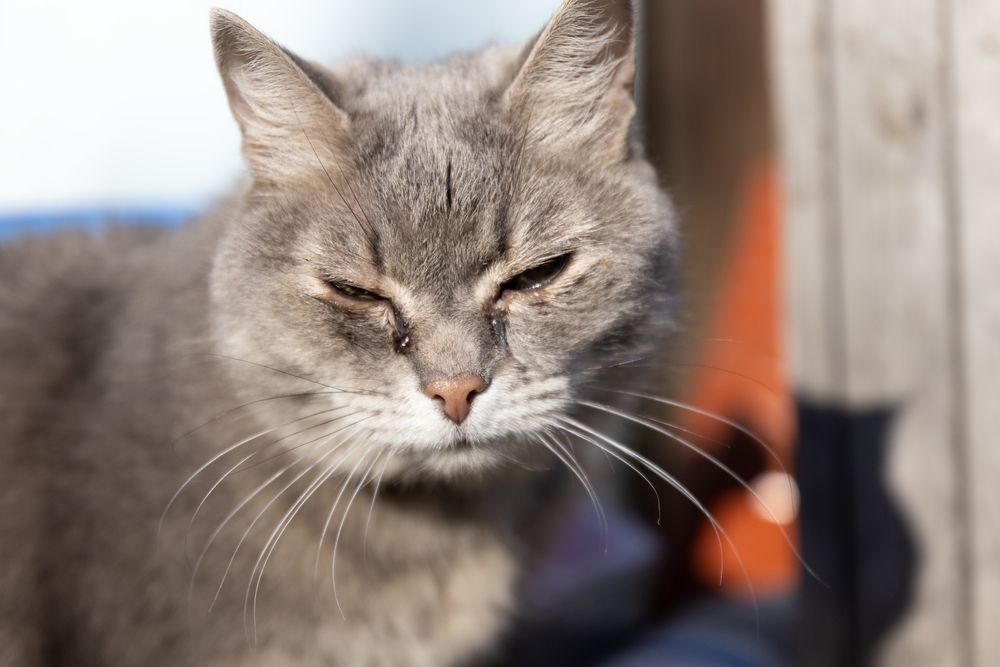
- Feline Upper Respiratory Infections: Often caused by viruses like herpesvirus or calicivirus, symptoms can include sneezing, congestion, eye discharge, and reduced appetite. ASPCA Pro outlines these signs in more detail.
- Heartworm Disease: A silent culprit behind coughing and respiratory issues. Year-round prevention is key. Use this CAPC prevalence map to assess risk in your area.
2. Chronic Conditions
- Feline Asthma: Wheezing, open-mouth breathing, and coughing can all point to asthma in cats. Cornell Feline Health Center explains what to watch for.
- Chronic Allergies: These can cause nasal congestion, sneezing, and chronic coughs. Purdue’s allergy tips for small animals offer excellent home care advice.
- Brachycephalic Obstructive Airway Syndrome (BOAS): Affects short-nosed breeds like Bulldogs and Pugs. Symptoms include snoring, noisy breathing, and exercise intolerance. Cornell explains BOAS and its complications.
3. Anatomical or Mechanical Issues
- Collapsed Trachea: Especially in small dogs, this condition causes a classic goose-honk cough and worsens with excitement or pressure on the neck. Read more from the AKC.
- Nasopharyngeal Polyps: These benign growths, common in young cats, can lead to snoring, nasal discharge, and mouth breathing. ACVS provides a great overview.
- Foxtail Inhalation or Insertion: Foxtails can migrate into the nose, throat, or lungs, causing sneezing, coughing, and infection. UC Davis explains the dangers.
4. Heart Disease
Some coughs stem from cardiovascular issues, especially in older pets. Symptoms include coughing after exercise or lying down, fatigue, and trouble breathing.
The Morris Animal Foundation details heart disease signs in dogs.
When to Be Concerned
Not every cough or wheeze means something serious, but there are signs that should prompt an immediate vet visit:
- Persistent or worsening cough
- Wheezing, especially with open-mouth breathing
- Labored or fast breathing, even at rest
- Pale or bluish gums
- Collapse or fainting episodes
The AAHA’s respiratory distress guide is a helpful resource to better understand when breathing changes are urgent.
Diagnosis: How We Find the Cause
At Countryside Veterinary Hospital, we take a step-by-step approach to evaluating respiratory symptoms. A thorough history and physical exam lay the groundwork, followed by testing as needed.
Common Diagnostics:
- Bloodwork: Screens for infection, parasites, or organ function.
- Thoracic X-rays: Shows heart size, lung patterns, and airway structure.
- Heartworm Testing: Especially important for dogs with a cough.
- Rhinoscopy or Laryngoscopy: Helps visualize the nasal passages and throat.
- Allergy Testing: Particularly for pets with seasonal symptoms.
- Advanced Imaging: CT or fluoroscopy for complex airway concerns.
We follow AVMA/AAHA preventive care guidelines to ensure your pet receives thorough and appropriate care at every stage.
Treatment: Supporting Comfortable Breathing
Once we identify the cause, treatment may include:
- Medications: Antibiotics, anti-inflammatories, bronchodilators, or antihistamines.
- Surgical Interventions: Removal of polyps or foxtails, correction of airway structures.
- Lifestyle Adjustments: Weight loss, air purifiers, and changes in exercise habits.
- Preventive Care: Vaccinations and parasite control play a big role in reducing risk.
Early diagnosis often means less invasive treatment and better long-term outcomes.
How to Support Your Pet at Home
Breathing trouble doesn’t just affect your pet—it affects your whole routine. Here are a few ways to help:
- Use a humidifier during dry seasons
- Switch to a harness instead of a collar
- Keep bedding and floors free of dust and dander
- Monitor symptoms in a journal or on your phone
- Take videos of any coughing or wheezing episodes for your vet
FAQs
Q: Is it normal for my dog to snore?
A: It can be, especially in short-nosed breeds. But if it worsens or disrupts sleep, let us know.
Q: Can allergies cause coughing or wheezing?
A: Yes. Seasonal and environmental allergies are a common trigger.
Q: Is reverse sneezing dangerous?
A: It’s usually harmless but worth checking if it happens often.
Q: How do I know if a cough is heart-related?
A: Coughing after rest or at night can signal heart problems. A full exam and imaging can tell us more.
Let’s Breathe Easier, Together
Your pet’s breathing should never be a mystery. If you’re unsure about a sound, behavior, or symptom, our team at Countryside Veterinary Hospital is here to help. Whether it’s a minor issue or something more, we’ll listen, evaluate, and guide you toward the right solution.
Schedule a visit and let’s take a deep breath—confident that your pet is getting the care they need.



Leave A Comment