


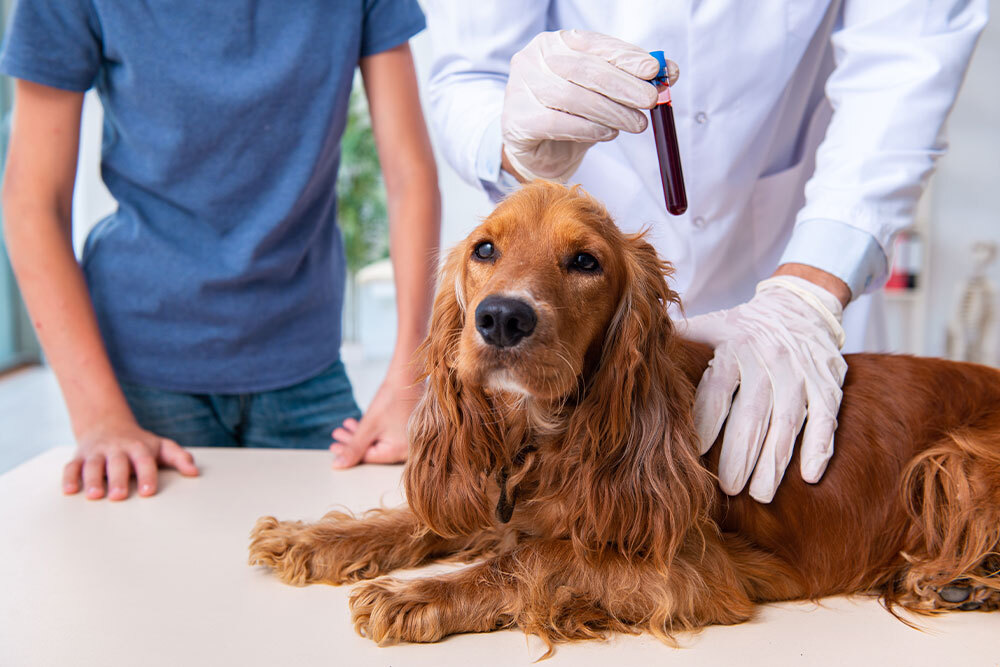
Preventive care is more than just vaccines and heartworm pills—it’s about understanding what’s happening inside your pet’s body. At Countryside Veterinary Hospital, one of the most powerful tools we use to protect your pet’s health is routine bloodwork. These tests give us critical insight into your pet’s organ function, disease risk, and metabolic health—often before you or your pet notice anything is wrong.
Routine blood testing isn’t just for sick pets—it can detect silent diseases, guide early treatment, and even save lives.
Why Is Bloodwork So Important?
Pets often hide signs of illness until a condition becomes advanced. That’s why preventive blood testing plays a vital role in keeping your pet healthy.
According to the Pet Health Network, bloodwork can detect underlying illnesses like diabetes, kidney disease, or liver dysfunction long before physical symptoms appear—giving your vet a head start in managing your pet’s health.
What Does Bloodwork Include?
Complete Blood Count (CBC)
The CBC measures red and white blood cells, platelets, and more. It can identify:
- Anemia
- Infections or inflammation
- Immune system abnormalities
This test is often the first clue that your pet’s body is fighting off disease.
Chemistry Panel
This panel evaluates liver, kidney, pancreas, and electrolyte function. It helps detect:
- Chronic kidney disease, which affects many senior cats and dogs
(Learn more about feline CKD) - Liver disease in older pets, as outlined by the Elderly Pet Organization
- Diabetes, which can present with excessive thirst and weight changes
(Not So Sweet: Diabetes in Pets – AAHA)
Thyroid Testing
Thyroid hormone testing is especially important in aging pets.
- In dogs, low thyroid hormone levels indicate hypothyroidism, which can cause weight gain, lethargy, and coat changes
(Canine Hypothyroidism – Cornell) - In older cats, hyperthyroidism leads to weight loss, a rapid heartbeat, and restlessness
(Feline Hyperthyroidism Guidelines – AAHA)
Urinalysis
Evaluating urine is essential for diagnosing:
- Bladder infections
- Kidney disease
- Diabetes
- Crystals or stones
Changes in urine concentration, pH, or the presence of protein can reveal early signs of systemic disease.
Electrolyte Panel
This test assesses hydration, organ function, and endocrine health by measuring sodium, potassium, calcium, and other key minerals. Electrolyte imbalances can indicate:
- Dehydration
- Kidney failure
- Adrenal disease
Merck Veterinary Manual offers a detailed breakdown of these essential veterinary diagnostics.
The Preventive Power of Routine Testing
Catch Diseases Before Symptoms Appear
Chronic conditions like kidney failure, thyroid disorders, and diabetes often progress silently. Bloodwork reveals changes in the body’s internal systems, giving you the chance to act early.
Zoetis Petcare emphasizes that early detection through preventive testing is key—especially in aging pets who are at higher risk for developing complex conditions.
Monitor Ongoing Conditions
For pets already diagnosed with chronic illnesses, blood tests allow us to:
- Track medication effectiveness
- Adjust doses
- Catch complications early
Whether your pet has thyroid disease or is managing early-stage kidney failure, bloodwork helps tailor their care plan.
Establish Baselines for Future Comparison
Testing during your pet’s healthy years sets a baseline for what’s normal. This makes it easier to detect subtle changes later that could signal a developing illness.
Special Considerations for Senior Pets
As pets age, health risks rise—and routine testing becomes even more critical.
According to AAHA, senior pets should receive wellness exams and bloodwork at least every six months. This allows your vet to:
- Catch kidney or liver changes early
- Monitor for cancer-related markers
- Detect age-related endocrine diseases (e.g., thyroid, diabetes)
Why are regular veterinary visits important?
What to Expect at Your Appointment
Before the Visit
Your vet may recommend fasting your pet for 8–12 hours prior to the appointment, especially for accurate glucose or lipid readings.
During the Visit
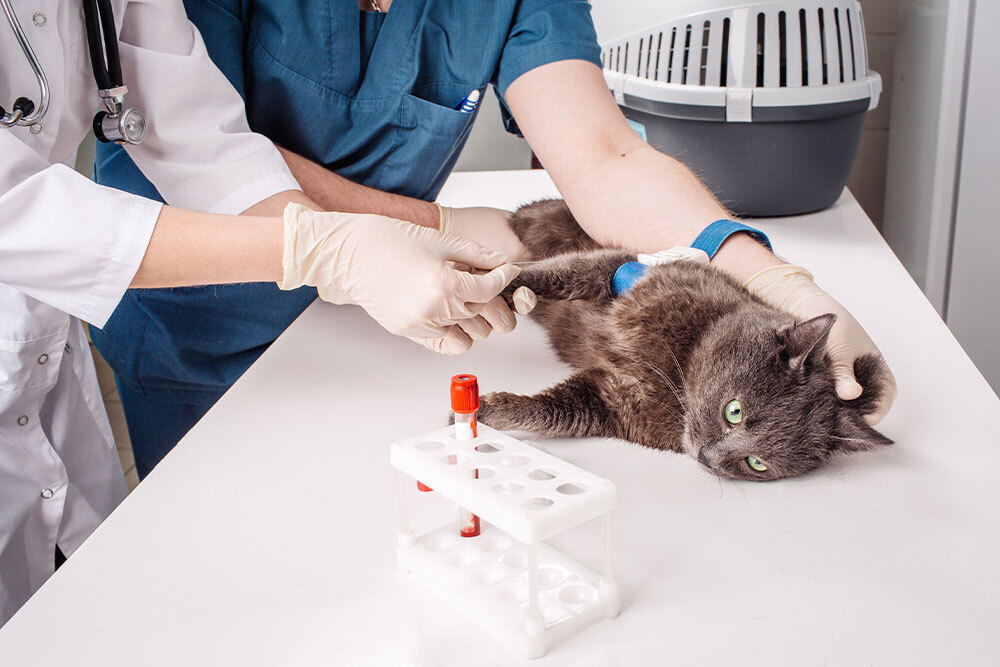
A small sample of blood is drawn—usually from the front leg or neck vein. The procedure is quick and causes minimal discomfort.
After the Test
We’ll walk you through the results, explain what each value means, and advise on any next steps—whether it’s more testing, diet changes, or starting treatment.
Is Bloodwork Worth the Cost?
Absolutely. While the price of testing varies depending on the panel, pet’s size, and age, the cost of early detection is far lower than treating advanced disease.
It can:
- Help you avoid emergency visits
- Minimize future medication needs
- Extend your pet’s healthy lifespan
Countryside Veterinary Hospital: Your Partner in Preventive Care
Whether you’re bringing in a senior cat for a thyroid screen or a middle-aged dog for routine wellness labs, we’re here to help you understand your pet’s needs every step of the way.
Want to learn more about your pet’s health and testing options?


Leave A Comment