


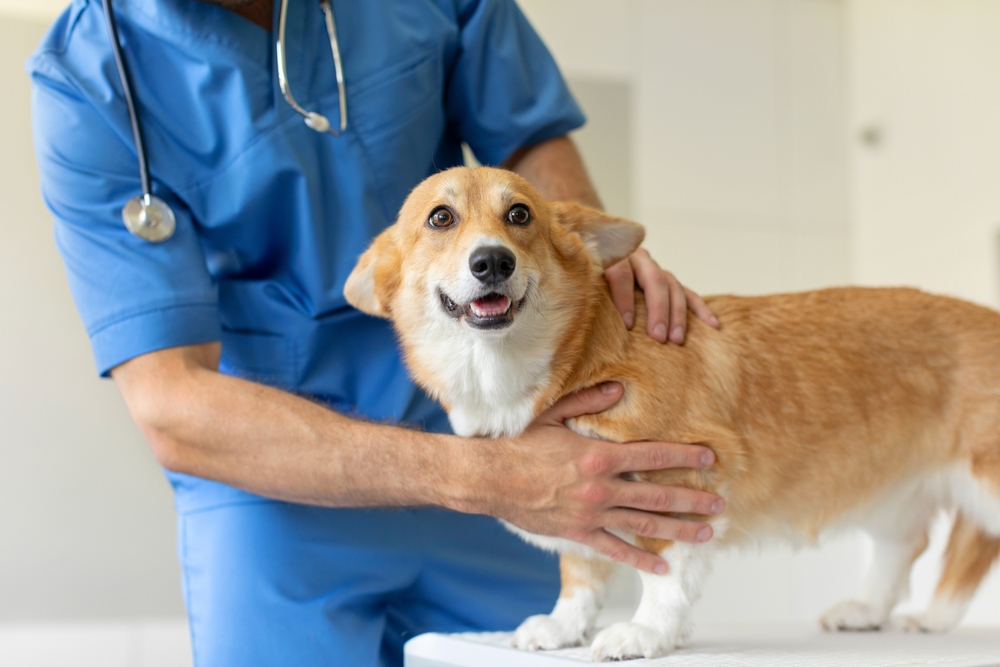
If you’ve found a new lump on your pet, you’re not alone in feeling concerned. It’s one of the most common reasons pet owners schedule a visit. Sometimes, these lumps turn out to be enlarged lymph nodes, something we also check closely during every wellness exam. While it can feel alarming, this finding doesn’t automatically mean something serious. It simply means your pet’s immune system is responding, and we’re here to help you figure out why.
At Countryside Veterinary Hospital, we believe in examining the total wellness of your pet, not just the symptom that brought them in. When we find enlarged lymph nodes, we take the time to evaluate the pattern, run the right tests, and explain what we’re seeing in plain language so you can make informed decisions. Contact us if you’ve felt something unusual on your pet or if you’d like us to take a closer look.
What Lymph Nodes Are and Why They Matter
Lymph nodes are distributed throughout the body, and are normally small- pea to grape sized. They filter lymph fluid, trap pathogens and foreign material, and coordinate immune cell activity. They function as both filters and command centers: collecting what drains from surrounding tissue and mobilizing a response when something harmful is detected.
Knowing where lymph nodes are located in dogs helps make sense of what you might feel during a scratch or cuddle session. The lymph node locations most accessible to gentle palpation include the mandibular nodes under the jaw, the prescapular nodes in front of the shoulders, the axillary nodes in the armpits, the inguinal nodes in the groin, and the popliteal nodes behind the knees.
A lymph node that is working is not something you typically feel. When a node enlarges, it is responding to a signal from somewhere nearby or from the systemic circulation. The swelling is the immune system doing its job, or in some cases, the immune system being overwhelmed. The underlying reason for that signal is what the workup needs to determine.
During every wellness exam, we palpate lymph nodes as part of a head-to-tail assessment. This is one of the ways routine care finds problems before symptoms become severe.
What Causes Lymph Nodes to Enlarge?
Lymphadenopathy is a clinical finding with many possible causes. Understanding the major categories helps owners know what to expect from the diagnostic process.
Infections and Inflammation
Bacterial, viral, fungal, and parasitic infections are among the most frequent drivers of lymph node enlargement. Some will cause multiple nodes to swell, while others will only enlarge a single lymph node. Nodes that are enlarged due to infection are often sensitive upon palpation, and your pet will also likely have other symptoms like lethargy or decreased appetite.
A localized infection causes the nodes that drain that region to enlarge in response. A wound on a paw may enlarge the popliteal node behind the knee. A dental abscess or ear infection often swells the mandibular or nearby nodes.
Systemic infections affect multiple node groups simultaneously. Lyme disease can cause generalized lymph node enlargement alongside fever and joint pain. Leptospirosis produces multi-system involvement. Fungal disease from environmental fungi found in the Southeast can cause significant lymphadenopathy alongside respiratory and systemic signs.
Our veterinary vaccination care and year-round parasite prevention are the most practical protections against many of these infectious causes. Regular professional dental cleanings at Countryside are a critical component of maintaining your pet’s long-term health, including preventing lymph node enlargement due to dental infections.
Cancer: When Lymphoma Is the Driver
Canine lymphoma is one of the most common cancers in dogs, and it is also one of the most common reasons for sudden, dramatic lymph node enlargement. Lymphoma originates in lymphocytes, the immune cells that live in lymph nodes, and produces painless, firm, symmetrical swelling across multiple lymph node groups. Many dogs appear otherwise normal in the early stages, which is part of what makes the discovery at a wellness exam so valuable: we find it before other signs develop. Feline lymphoma is also common but often presents with gastrointestinal involvement rather than the generalized multicentric pattern typical in dogs.
Several types of cancer in pets beyond lymphoma can also spread to lymph nodes as a sign of metastasis. Enlarged nodes near any known mass are worth evaluating to assess whether cancer has moved regionally.
Less Common Causes
Drug reactions, vaccine responses, immune-mediated disorders, and lymphedema (impaired lymphatic drainage) can all produce lymph node changes. These causes require the same systematic workup as more common ones because they look identical on the surface.
How We Evaluate Swollen Lymph Nodes
The Physical Examination
Assessment begins with careful palpation of every accessible lymph node group. Size, texture, symmetry, mobility, and whether nodes are painful or fixed to surrounding tissues are all meaningful. Painless, firm, symmetrically enlarged nodes across multiple regions point toward a different cause than a single warm, tender node near a recent skin wound.
We also assess overall condition: gum color, heart and lung sounds, abdominal palpation, body condition score, and whether other organ systems appear involved. Total wellness means looking at the whole picture, not just the node.
Diagnostic Testing
Fine-needle aspiration (FNA): a small needle collects a cellular sample from the node for microscopic evaluation. The procedure is quick, minimally invasive, and usually does not require sedation. For many cases, cytology from FNA answers the question of whether the cells are consistent with infection, reactive inflammation, or cancer.
The cytology vs biopsy decision depends on what the initial sample shows. When FNA is equivocal, when small-cell lymphoma is suspected, or when tissue architecture is needed for a complete diagnosis, core needle or surgical biopsy provides more detailed information.
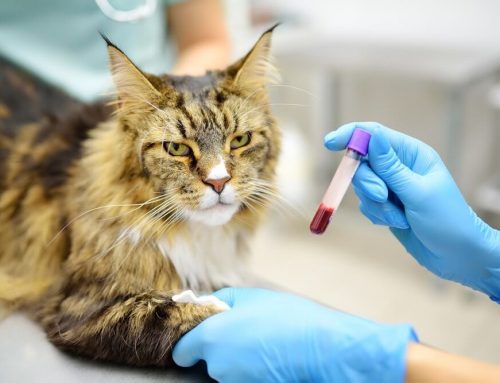
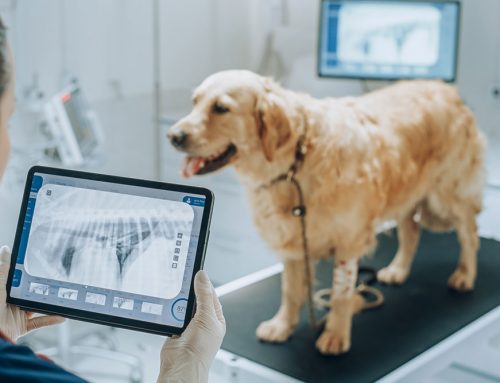
Blood work and imaging: a complete blood count and chemistry panel screen for systemic infection, organ involvement, and metabolic abnormalities. Radiographs and ultrasound assess internal lymph node involvement and organ changes not detectable on surface examination.
Our advanced care services include the diagnostic capabilities needed to evaluate enlarged lymph nodes thoroughly and build a clear clinical picture.
When Swollen Lymph Nodes Need Prompt Evaluation
Not all lymphadenopathy is urgent, but some presentations are.
Come in within the next day or two:
- A newly discovered firm lump in a location where there was no lump before
- Enlargement that seems to have developed rapidly over days
- Swelling accompanied by lethargy, reduced appetite, or weight loss
Schedule today:
- Any lymph node swelling accompanied by pale gums, labored breathing, or collapse
- Swelling involving the throat area that appears to affect swallowing
- A lump that a previous veterinarian asked you to monitor and that has grown
If you’re worried, just give us a call. We’re happy to talk you through it and guide you.
Treatment Depends on the Cause
Because many different conditions drive lymph node enlargement, treatment is matched to the diagnosis.
| Cause | Approach |
| Bacterial infection | Targeted antibiotics; wound care if applicable |
| Tick-borne disease | Antimicrobials specific to the organism identified |
| Fungal infection | Antifungal therapy, often extended duration |
| Lymphoma | Chemotherapy protocols tailored to subtype |
| Metastatic cancer | Depends on primary tumor; may involve surgery, chemotherapy, or palliative care |
| Reactive lymphadenopathy | Treat the underlying cause; monitor for resolution |
For lymphoma, the realistic goal for most patients is remission rather than cure. Many dogs achieve meaningful additional time with good quality of life during treatment, and the conversation about what that looks like is one we have directly and honestly with every family.
Monitoring Lymph Nodes at Home
If your pet has been evaluated and is being monitored, or if you would like to stay aware of any changes in between visits:
- Gently feel beneath the jaw on both sides for the mandibular nodes
- Check in front of each shoulder for the prescapular nodes
- Feel softly in the armpits and the groin
- Check behind each knee for the popliteal nodes
You do not need to know specific sizes to notice change. If something feels larger, firmer, or different than it did before, contact us rather than waiting for the next scheduled visit. Catching progression early matters.
Frequently Asked Questions About Swollen Lymph Nodes
Can a swollen lymph node go away on its own?
Yes, reactive nodes from a resolving infection frequently return to normal size as the infection clears. Nodes that remain enlarged beyond two to three weeks, that are growing, or that come with other symptoms warrant evaluation rather than continued monitoring at home.
Are swollen lymph nodes painful?
Reactive nodes from active infection are often tender to the touch. Lymphoma nodes are typically painless, which is one reason pets can seem to feel fine despite significant node enlargement. Absence of pain does not mean the cause is benign.
Do I need to bring my pet in even if they seem to feel fine?
If you have found a new lump, yes. Lymphoma in particular can produce large nodes before any other symptoms develop, and earlier evaluation means more time and more treatment options if the diagnosis turns out to be serious.
How long does it take to get answers?
FNA cytology results often come back within a few days from our reference laboratory. Blood work results from our in-house lab are available the same day. If biopsy is needed, histopathology typically takes one to two weeks.
Finding the Answer Together
Finding a swollen lymph node is worrying, and waiting to understand what it means is often the hardest part. At Countryside Veterinary Hospital, we approach every finding with the same thorough evaluation we would want for our own pets. We will explain what we see, what we need to know next, and what the realistic range of possibilities looks like, so you can make decisions with real information rather than uncertainty.
Contact us or visit us during open hours to have a lymph node checked. For a complete picture of your pet’s health, schedule a wellness exam where lymph nodes are assessed as part of the full head-to-tail evaluation.

Leave A Comment